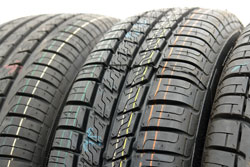
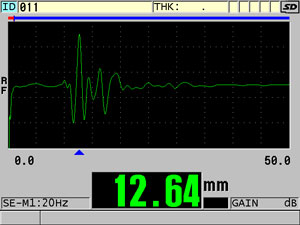
 AnwendungMessung der Tiefe von Kordeinlagen oder Gürtellagen aus Stahlkord und in vielen Fällen auch der gesamten Wanddicke bei allen Arten von Gummireifen. EinführungIm Rahmen von Qualitätskontrollen müssen Hersteller von Gummireifen die Position der Kordeinlagen oder Gürtellagen aus Stahlkord kennen, die in Wänden von Pkw-, Lkw- und Geländewagenreifen eingebettet sind.Besonders wichtig ist die bei großen und teuren Reifen für große Lkws und Baustellenfahrzeuge, da eine falsche Position der Kordeinlage zu teurem Versagen führen kann.In einigen Fällen wollen Hersteller auch die gesamte Wanddicke messen.Da Gummi Hochfrequenzschallwellen stark abschwächt und die Echos, die von der Innenkonstruktion der meisten Reifen erzeugt werden, sehr komplex sind, erfordern diese Messungen eine besondere Sorgfalt. Technische AusstattungFür die Dickenmessung von Gummi wird in der Regel, je nach der zu messenden Dicke des Reifens, einer von zwei Ansätzen gewählt.Olympus empfiehlt folgende Geräte für spezifische Anwendungen: VerfahrenDie Schallschwächung und die Innenkonstruktion können zwischen den verschiedenen Reifenarten stark variieren. Daher ist es wichtig, jede Anwendung einzeln zu bewerten.Die Messung von Gummi erfordert immer niederfrequente Messköpfe mit 2,25 MHz oder niedriger.In einigen Fällen ist es vorteilhaft, einen Messkopf mit einer Epoxidharz-Ankoppelfläche zu verwenden, um die Schallankoppelung zwischen Messkopf und Gummi zu verbessern.Die meistens empfohlenen Messköpfe für die Prüfung von Reifen sind die Messköpfe M1036 (2,25 MHz, 12,5 mm Ø,hohe Durchdringung) und V601-RB (500 kHz, 25 mm Ø) von Olympus. Für Anwendungen mit dicken Gummireifen (dicker als 100 mm) wurden Messkopfpaare des V601-RB im Sender-Empfänger-Modus erfolgreich mit einem Prüfgerät eingesetzt.Durch getrennte Sender und Empfänger kann eine sehr hohe Verstärkung am Empfänger, ohne potenzielles Rauschen von der Verstärkung des angeregten Sendeimpulses, verwendet werden.Für alle Anwendungen mit Gummireifen wird Koppelmittel (Gel) empfohlen.Für eine gute Befeuchtung muss das Koppelmittel auf der Oberfläche verteilt werden.Wie bei allen Ultraschalldickenmessern muss auch hier die Schallgeschwindigkeit des zu prüfenden Gummis mittels einer Probe von bekannter Dicke kalibriert werden. Die Geschwindigkeit im Gummi ändert sich schnell mit der Temperatur. Eine hohe Genauigkeit ist nur dann möglich, wenn die Schallgeschwindigkeit bei einer Temperatur gemessen wird, die den tatsächlichen Messbedingungen möglichst genau entspricht. Eine erfolgreiche Ultraschallmessung der gesamten Reifendicke, im Gegensatz zur Tiefe der Kordeinlage, hängt von der Konstruktion der Kordeinlage ab.Bei einigen Reifenarten mit mehreren Kordeinlagen oder sehr nah aneinander liegenden Kordeinlagen gelangt nicht genügend Schallenergie zur Innenwand, sodass eine Messung der Gesamtdicke nicht möglich ist.Bei anderen Reifen mit größeren Abständen zwischen den Kordeinlagen erreicht ein Teil der Schallenergie die Innenwand und ermöglicht die Messung der Gesamtdicke.Dies muss von Fall zu Fall beurteilt werden.In Fällen, in denen ein Innenwandecho sichtbar ist, kann das Gerät zu einer zweiten gespeicherten Einstellung umgeschaltet werden, die zur Durchführung der Messung verwendet werden kann. Abbildung 1 zeigt das Echo einer Stahlkordeinlage, gemessen vom Profil eines Pkw-Reifens (mit einer Profildicke von ca. 12,5 mm). Dies wurde mit dem Dickenmesser 38DL PLUS und einem Messkopf M1036 (2,25 MHz) gemessen. In diesem Fall wurde das Echo der ersten positiven Nebenkeule gemessen.
Abbildung 1
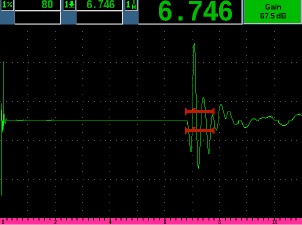
Abbildung 2 |


Lösungen für die Industrie
Informationsmaterialien
Anwendungsbeispiele
Zurück zur Datenbank
Dickenmessung bei Gummireifen

Verwendete Produkte
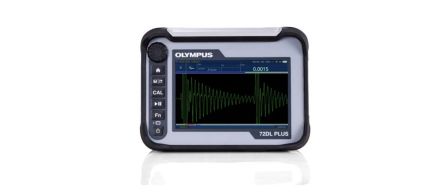
Das hochmoderne 72DL PLUS Ultraschall-Dickenmessgerät liefert präzise Dickenmessungen mit hoher Geschwindigkeit in einem portablen, bedienerfreundlichen Gerät. Dieses innovative Dickenmessgerät ist mit Einzelschwinger-Messköpfen bis zu 125 MHz kompatibel und eignet sich zur Messung der Dicke von sehr dünnen Werkstoffen, einschließlich mehrschichtiger Anstrichfarbe, Beschichtungen und Kunststoffen. Es kann die Dicke von bis zu 6 Schichten gleichzeitig anzeigen.
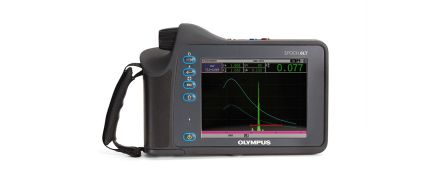
Die tragbaren Ultraschallprüfgeräte EPOCH 6LT sind für die Bedienung mit einer Hand optimiert und bieten eine hervorragende Leistung bei Anwendungen in Verbindung mit der Seilzugangstechnik und bei Anwendungen, die ein hohes Maß an Beweglichkeit und Flexibilität erfordern. Die Geräte mit ihrem leichten und ergonomischen Design liegen sicher in der Hand oder können in Verbindung mit der Seilzugangstechnik am Bein des Prüfers befestigt werden.
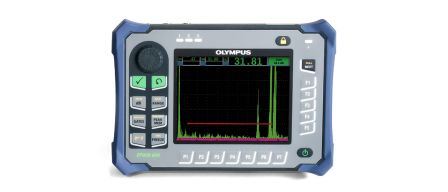
Die leistungsstarken EPOCH 650 Prüfgeräte für konventionellen Ultraschall können für zahlreiche Anwendungen eingesetzt werden. Diese intuitiven und robusten Prüfgeräte mit zusätzlichen Funktionen sind die Fortführung der bekannten Prüfgeräte EPOCH 600.
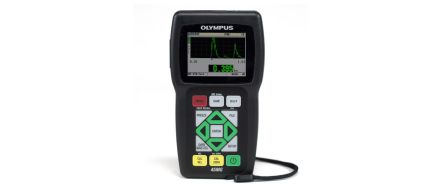
Der 45MG ist ein hochmodernes Ultraschall-Dickenmessgerät mit Standard-Messfunktionen und Softwareoptionen. Dieses einzigartige Dickenmessgerät ist mit allen unseren Sender-Empfänger-Messköpfen und Einzelschwingermessköpfen kompatibel.
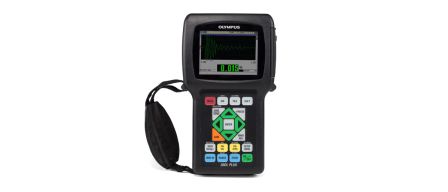
Das vielseitig einsetzbare 38DL PLUS Messgerät kann mit Sender-Empfänger-Messköpfen zur Messung korrodierter Rohre bis hin zur sehr präzisen Dickenmessung von dünnen oder mehrschichtigen Materialien mit einem Einzelschwingermesskopf verwendet werden.
Sorry, this page is not available in your country
Let us know what you're looking for by filling out the form below.