Isso é comum nos setores de processamento, em que tubos ou tanques de metal quentes precisam ser testados sem que sejam desligados para resfriamento. Isso também inclui situações de fabricação que envolvem materiais quentes, como tubo de plástico extrudado ou plástico moldado termicamente logo após a fabricação, ou testes de lingotes ou peças fundidas de metal antes que elas resfriem totalmente. Os transdutores de ultrassom convencionais suportam temperaturas de até 50 °C, aproximadamente. Em temperaturas mais altas, eles eventualmente sofrerão danos permanentes devido ao descolamento interno causado pela expansão térmica. Se a temperatura do material testado for superior a 50 °C, é preciso utilizar transdutores para altas temperaturas e técnicas especiais de teste.
Esta nota de aplicação contém informações para consulta rápida sobre a seleção de transdutores e acoplantes para alta temperatura, assim como aspectos importantes sobre a utilização. Ela abrange teste de ultrassom convencional em materiais com temperaturas de até 500 °C. Em aplicações de pesquisa que envolvem temperaturas mais elevadas que essa, utiliza-se técnicas de ondas guiadas altamente
especializadas. Elas estão fora do escopo desta nota de aplicação.
Transdutores de alta temperaturaOs transdutores de alta temperatura NDT se dividem em duas categorias: transdutores de elemento duplo e transdutores de linha de atraso. Nos dois casos, o material da linha de atraso (que é interno no caso dos transdutores de elemento duplo) serve como isolamento térmico entre o elemento do transdutor ativo e a superfície quente. Por questões de design, não existem transdutores de contato ou imersão para alta temperatura na linha de produtos padrão. Os transdutores de elemento duplo e de atraso de linha para altas temperaturas estão disponíveis para aplicações de medição de espessura e detecção de defeitos. Como em todos os testes por ultrassom, o melhor transdutor para uma determinada aplicação será determinado segundo requisitos específicos de teste, incluindo o material, a faixa de espessura, a temperatura e, no caso de detecção de defeitos, o tipo e o tamanho dos defeitos relevantes. 1. Transdutores para medição de espessura em alta temperaturaA aplicação mais comum para medição de espessura em alta temperatura é o trabalho de levantamento de corrosão. Isso envolve a medição da espessura do metal restante em tubos e tanques quentes com medidores de corrosão, como instrumentos 39DL PLUS™ e 45MG. A maioria dos transdutores projetados para serem utilizados com medidores de corrosão da Evident é adequada para utilização em alta temperatura. O transdutor da série D790 pode ser usado em superfícies com temperaturas de até 500 °C. Para a lista completa de medidores duplos de corrosão disponíveis, que inclui especificações de temperatura, acesse este link: Medidores duplos de corrosão. Para aplicações de medição de espessura de precisão usando os medidores 39DL PLUS ou 45MG com o software Single Element, como medição de espessura de plásticos quentes, qualquer um dos transdutores de linha de atraso padrão Microscan™ da série M200 (inclusive os transdutores padrão M202, M206, M207 e M208) pode ser equipado com linhas de atraso para altas temperaturas. As linhas de atraso DLHT-1, DLHT-2 e DLHT-3 podem ser usadas em superfícies com temperaturas de até 260 °C. As linhas de atraso DLHT-101, DLHT-201 e DLHT-301 podem ser usadas em superfícies com temperaturas de até 175 °C. Essas linhas de atraso são descritas na Tabela de opções de linhas de atraso. Em aplicações complicadas que exigem transdutores de baixa frequência para aumentar a penetração, os transdutores de face substituível Videoscan™ e as linhas de atraso adequadas para alta temperatura também podem ser usados com os medidores de espessura 39DL PLUS e 45MG que incorporam a opção de software para grande penetração. Será necessário personalizar as configurações dos transdutores. As linhas de atraso padrão para essa família de transdutores podem ser usadas em contato com superfícies com temperaturas de até 480 °C. Você pode ver uma lista completa de transdutores e linhas de atraso neste link: Transdutores de face substituível. 2. Transdutores para detecção de defeitos em alta temperaturaComo nas aplicações para medição de espessura em alta temperatura, a maioria dos detectores de defeitos usa transdutores de elemento duplo e de linha de atraso. Todos os nossos detectores duplos de detecção de defeitos NDT realizam análises em altas temperaturas. Os transdutores de elemento duplo Fingertip, Flush Case e Extended Range com frequência igual ou menor que 5 MHz podem ser usados em temperaturas de até 425 °C, aproximadamente, e os de alta frequência (7,5 MHz e 10 MHz) podem ser usados em temperaturas de até 175 °C. Para a lista completa de transdutores nessa categoria, veja este link: Duplos de detecção de defeitos. Todos os transdutores com face substituível Videoscan podem ser utilizados em aplicações de detecção de defeitos com linhas de atraso de alta temperatura apropriadas. As linhas de atraso para essa família de transdutores podem ser usadas em contato com superfícies com temperaturas de até 480 °C. Para ver uma lista completa de transdutores e linhas de atraso adequados para várias temperaturas máximas, veja este link: Transdutores de face substituível. As aplicações em materiais finos são mais bem controladas com transdutores de linha de atraso da série V200 (normalmente o V202, V206, V207 e V208), qualquer um deles pode ser equipado com linha de atraso de alta temperatura. As linhas de atraso DLHT-1, DLHT-2 e DLHT-3 podem ser usadas em superfícies com temperaturas de até 260 °C. As linhas de atraso DLHT-101, DLHT-201 e DLHT-301 podem ser usadas em superfícies com temperaturas de até 175 °C. Os transdutores e as linhas de atraso estão listados na Lista de transdutores de linhas de atraso.
Também oferecemos calços especiais para alta temperatura para usar com transdutores de feixe angular: a série ABWHT para uso até 260 °C e a série ABWVHT para uso até 480 °C. Para informações mais detalhadas sobre tamanhos disponíveis, entre em contato com seu representante de vendas local da Evident.
Acoplantes para teste por ultrassom em altas temperaturasA maioria dos acoplantes ultrassônicos mais comuns, como propilenoglicol, glicerina e géis ultrassônicos, vaporiza rapidamente se utilizada em superfícies com temperaturas superiores a 100 °C. Deste modo, os testes por ultrassom em altas temperaturas exigem acoplantes especiais que permanecerão em estado líquido ou pastoso sem ferver, queimar ou liberar gases tóxicos. É importante estar ciente da faixa de temperatura especificada para uso e utilizar o produto somente dentro desse intervalo. O fraco desempenho acústico e/ou os riscos de segurança pode ser proveniente do uso de acoplantes de alta temperatura fora do limite indicado. Em temperaturas muito elevadas, mesmo os acoplantes específicos para altas temperaturas devem ser usados rapidamente, visto que eles tendem a secar ou solidificar e parar de transmitir a energia ultrassônica. O resíduo ressecado do acoplante deve ser removido da superfície de teste e do transdutor antes de outra medição. Observe que, normalmente, o acoplamento para onda de cisalhamento com incidência normal não é possível em temperaturas elevadas, pois os agentes comerciais se liquefazem e perdem a alta viscosidade necessária para transmissão das ondas. Nós oferecemos dois tipos de acoplantes para alta temperatura: 1. Acoplante H-2: faixa de temperatura de -18 °C a 400 °C 2. Acoplante I-2: faixa de temperatura de -40 °C a 675 °C Note que os acoplantes para temperaturas médias e altas não devem ser utilizados em áreas sem ventilação devido à pequena probabilidade de autoignição do vapor. Consulte a Evident para obter mais detalhes.
Para a lista completa de acoplantes disponibilizados pela Evident, com as observações de cada um, consulte as notas de aplicação em Acoplantes ultrassônicos.
Técnicas de teste para aplicações de alta temperaturaDeve-se levar os seguintes fatores em consideração ao estabelecer um procedimento de teste para todas as aplicações em alta temperatura: 1. Ciclo de trabalhoTodos os transdutores padrão de alta temperatura são projetados com um ciclo de trabalho em mente. Embora a linha de atraso isole o interior do transdutor, o contato prolongado com superfícies muito quentes causará o acúmulo significativo de calor e, eventualmente, pode provocar danos permanentes ao transdutor se a temperatura interna ficar muito alta. Na maioria dos transdutores de linha de atraso e de elemento duplo, o ciclo de trabalho recomendado para superfícies com temperaturas entre 90 °C e 425 °C é de, no máximo, dez segundos em contato com superfície quente (recomenda-se cinco segundos), seguido de um minuto, no mínimo, de resfriamento ao ar. Observe que isso é apenas uma diretriz, a proporção do tempo de contato com o tempo de resfriamento se torna mais crítica na extremidade superior da faixa de temperatura especificada de um transdutor. Geralmente, se a estrutura externa do transdutor é quente demais para que ele seja manipulado com conforto, a temperatura interna do transdutor está prestes a ultrapassar o limite potencialmente prejudicial. É preciso deixar o transdutor esfriar para continuar o teste. Alguns usuários empregam arrefecimento de água para acelerar o processo de resfriamento. No entanto, a Evident não publica diretrizes oficiais para arrefecimento de água. Portanto, a adequação do processo precisa ser determinada pelo usuário individualmente. 2. Funções de congelamentoOs detectores de defeitos e medidores de espessura da série EPOCH™ possuem funções de congelamento que podem ser utilizadas para congelar a forma de onda mostrada e a leitura. A função de congelamento é muito útil em medições de alta temperatura, pois permite que o operador faça uma leitura e retire rapidamente o transdutor do contato com a superfície quente. Nos medidores, o modo de atualização rápida da tela deve ser usado para diminuir o tempo de contato. 3. Técnica de acoplamentoA combinação dos requisitos do ciclo de trabalho do transdutor e a tendência dos acoplantes de solidificar ou ferver no limite superior da variação da espessura exige que o operador trabalhe de forma rápida. Uma prática recomendada é aplicar uma gota de acoplante na face do transdutor e, em seguida, pressioná-lo firmemente contra a superfície de teste, sem girá-lo ou movimentá-lo (o que desgastaria o transdutor). Todo o resíduo de acoplante seco deve ser removido da ponta do transdutor entre uma medição e outra. 4. Aumento de ganhoOs medidores 39DL PLUS e 45MG possuem funções de aumento o ganho que podem ser ajustadas pelo usuário, assim como todos os detectores de defeitos da série EPOCH. Devido ao alto nível de atenuação nas medições em altas temperaturas, geralmente, é muito útil aumentar o ganho antes de efetuar a medição. 5. Variação de velocidadeA velocidade do som em todos os materiais muda com a temperatura, diminuindo à medida que o material esquenta. A medição exata da espessura em materiais quentes sempre exige que a velocidade seja recalibrada. No aço, a mudança de velocidade é de aproximadamente 1% a cada 55 °C. (O valor exato varia de acordo com a liga.) Nos plásticos e em outros polímeros, essa alteração é muito maior e pode atingir 50% a cada alteração de 55 °C até o ponto de fusão. Se a representação gráfica da velocidade e da temperatura do material não estiver disponível, a calibração de velocidade deve ser realizada em uma amostra do material de teste na temperatura real do teste. A função do software de compensação de temperatura do medidor 39DL PLUS pode ser usada para ajustar automaticamente a velocidade de temperaturas elevadas conhecidas com base na temperatura programada/constante de velocidade. 6. Recalibração do zeroAo realizar a medição da espessura com um transdutor de elemento duplo, lembre-se de que o valor de zero offset para de um determinado transdutor mudará à medida que ele aquecer devido a mudanças na duração do trajeto através da linha de atraso. Sendo assim, é preciso zerar periodicamente para manter a precisão da manutenção. Nos medidores de corrosão da Evident, esse processo pode ser realizado de forma rápida e fácil com a função de zerar automaticamente o medidor. Basta pressionar as teclas de 2ª função > Zerar. 7. Aumento da atenuaçãoA atenuação acústica aumenta em todos os materiais com a temperatura, e o efeito é muito mais acentuado em plásticos do que em metais ou cerâmica. Em ligas de aço carbono de grãos finos, a atenuação a 5 MHz à temperatura ambiente é de aproximadamente 2 dB por 100 mm da trajetória do som unidirecional (equivalente a um percurso de 50 mm de ida e volta em cada sentido). Em temperaturas entre 500 °C e 932 °C, a atenuação aumenta, aproximadamente, 15 dB por 100 mm na trajetória do som. Esse efeito pode exigir o uso de um ganho de instrumento significativamente maior ao testar ao em trajetórias de som longas em altas temperaturas. Ele também exige ajuste nas curvas de correção da amplitude da distância (DAC) ou programas de tempo de ganho variado (TVG) que foram estabelecidos em temperatura ambiente. Os efeitos da temperatura e da atenuação em polímeros dependem muito do tipo de material, mas, geralmente, são muitas vezes maiores que os valores para o aço. Especialmente em linhas de atraso com temperaturas muito elevadas que se aquecem, eles podem ser a principal causa da atenuação total em um teste. 8. Variação angular nos calçosCom todo calço para alta temperatura, a velocidade do som nele diminui à medida que o material se aquece e, portanto, o ângulo de refração dos metais aumenta. Se isso for motivo de preocupação para um teste determinado, o ângulo refratado deverá ser verificado com a temperatura real da operação. Devido a uma questão prática, as variações térmicas durante a realização dos testes, com frequência, fazem com que seja difícil determinar com precisão o ângulo refratado. |


Teste por ultrassom em altas temperaturas
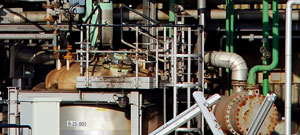 Embora a maioria das detecções de defeitos e medições de espessura seja realizada em ambientes com temperaturas normais, existem várias situações em que é necessário realizar testes em materiais quentes.

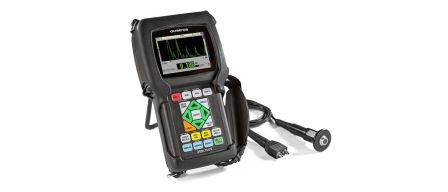
The 39DL PLUS™ gauge is field-proven and reliable for virtually every ultrasonic thickness inspection. It works as a precision or corrosion thickness gauge to meet the challenges of demanding applications across industries, including maintenance, manufacturing, and energy production. With world-class ultrasonic capability, fast scanning speeds, and fully integrated wireless connectivity, this handheld gauge delivers results you can trust in a seamless workflow.
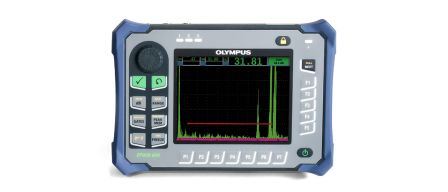
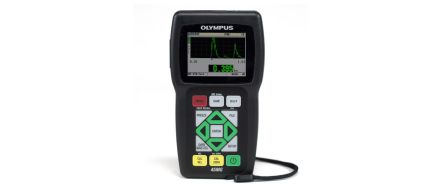
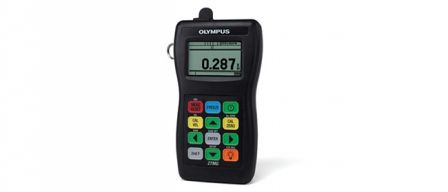
O medidor de espessura ultrassônico básico 27MG foi projetado para realizar medições de espessura precisas a partir de um lado em tubos e peças de metal erodidos ou corroídos internamente. Ele é leve, resistente e ergonômico para ser operado facilmente com apenas uma mão.