本应用说明解释了如何测量铸铁中的球化程度,并将球墨铸铁与灰口铸铁区分开来。 了解用于铸铁无损球化率检测的超声检测设备和技术。
铸铁生产
在铸铁的生产过程中,通常会将表现为石墨形式的碳用作一种添加剂,因此在典型的铸件中,碳的成份会达到铸件总重量的2%到4%,或者铸件总体积的6%到10%。 铸铁中石墨的微观结构对铸件的机械属性有着非常重要的影响。 当石墨自行排列为薄片状时,会生产出又硬又脆的灰口铸铁。 当石墨表现为球形结节状时,会生产出柔韧且易于锻造的球墨铸铁。
灰口铸铁和球墨铸铁都是通过在熔化的铁水中混入碳、硅及其它添加剂制造而成。 有些混合操作常常在最终的模具中完成。 如果混合分布不均匀,或者铸造过程的其它方面不够完美,则生产出的铸铁的不同部位的球化率可能会不一致,或者会在球墨铸铁中分布有块状的灰口铸铁。 这种情况会极大地改变金属的机械属性,因此铸造厂需要对所生产的球墨铸铁进行核查,了解铸铁各处的球化率是否一致。 在核查过程中,必须了解以下情况:一是石墨在铸铁中的分布是否一致,二是其中的石墨是否是正确的形态(结节状而不是薄片状)。
虽然微观检查和拉伸强度测试可以有效核查铸铁的球化率, 但是对铸铁进行快速无损评估的首选方法还是超声检测, 因为球墨铸铁和灰口铸铁的声速各不相同。
用于铸铁无损球化率检测的超声检测设备
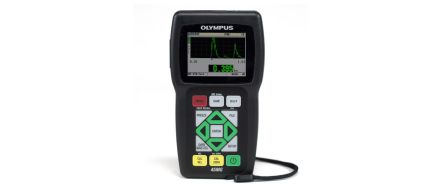
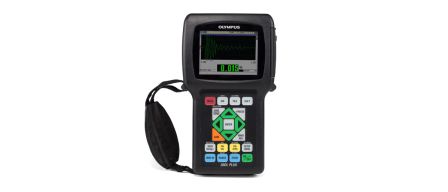
无损球化率检测可以使用任何能够测量材料声速的超声仪器完成,其中包括:测厚仪、探伤仪,以及脉冲发生器-接收器。 奥林巴斯的所有精确超声测厚仪都可以进行专门的声速测量,方式是基于输入的厚度校准值,直接在屏幕上显示铸铁或其它材料的声速读数。 这些精确超声测厚仪包括38DL PLUS型号和带有单晶软件的45MG超声测厚仪。 在测量厚度超过约25 mm的样件时,通常建议用户使用测厚仪的高穿透软件选项。
要执行球化率检测,可通过按键方式简单地将厚度数据输入到仪器中, 然后仪器会根据所输入的厚度值和测量到的脉冲传播时间自动计算出材料的声速。 可以使用高/低报警功能辨别超出误差范围的情况。 不同的厚度测量范围应选择不同的探头配合测厚仪使用, 如频率为2.25 MHz的M1036型接触式探头。 声速的测量精度一般为小数点后3位数。
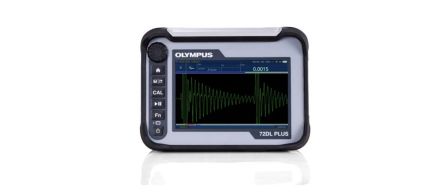
72DL PLUS超声测厚仪比38DL PLUS和45MG超声测厚仪配有更大的触摸显示屏和更高的测量更新速度(高达2KHz)。 这种精密的测厚仪还可提供更高的时间测量分辨率,从而使声速计算更加精确。 此外,72DL PLUS测厚仪通过无线和有线通信选项提供更强的连接性,是系统集成的理想选择。
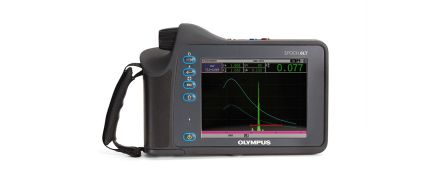
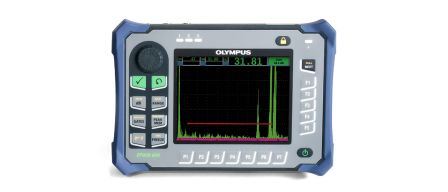
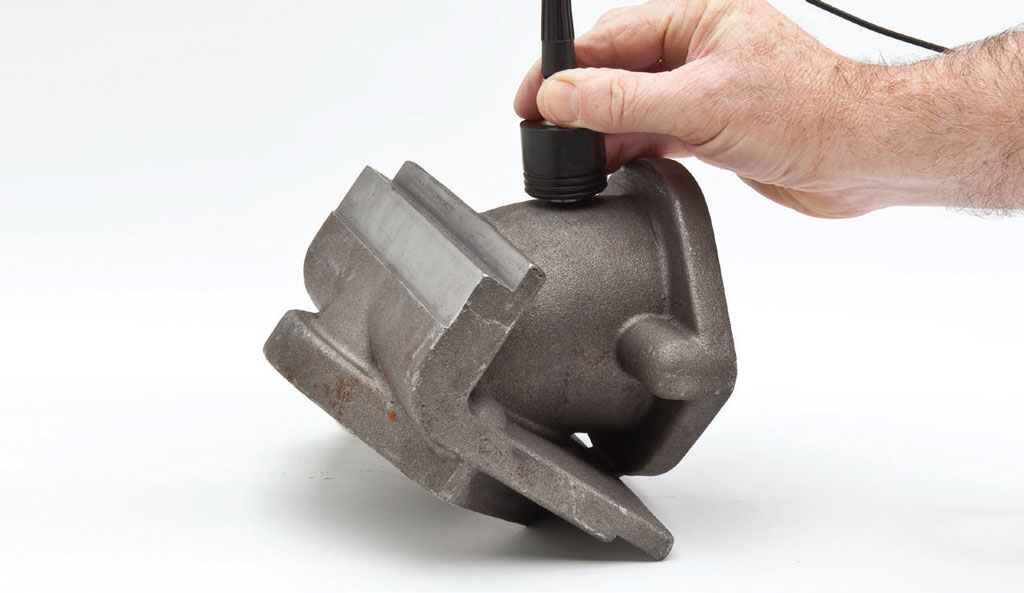
可以使用任何EPOCH系列探伤仪(如EPOCH 650、EPOCH 6LT仪器)以同样的方式测量材料的未知声速。 使用一台已经为适当的低频探头校准过的探伤仪,获得材料上已知厚度部位的一个底面回波,并进行声速校准,此过程可以基于测到的回波,计算出材料的声速。
测量铸铁球化率的超声检测程序
纯铁、球墨铸铁和灰口铸铁的声速都各不相同。 一般来说,纯铁的声速约为5.9 mm/µS,球墨铸铁的声速约为5.6 mm/µS,而灰口铸铁的声速约为4.8 mm/µS。 特定应用中被测材料的确切声速会根据其合金的组成成份、晶粒结构以及其它处理方面的变量而发生变化。 一定要使用由被测材料制成的标准校准块,来核查被测材料的确切声速。
建议用户为每个应用创建自己的声速与球化率百分比对照表。 某些发表的研究成果表明材料的声速与其球化率百分比的关系并不是线性的1。 但是,对于所含石墨百分比相同的两件铸铁,如果一件铸铁中的石墨呈薄片状(灰口铸铁),而另一件中的石墨呈球形结节状(球墨铸铁),则两件铸铁的声速可能会截然不同。
注意在测量声速时需要了解被测样件的确切厚度。 一般来说,检测人员以超声方式检测球化率的操作要在铸铁上通过机械手段,如:测微仪或卡尺,测量其厚度位置而实现。 如果检测位置的厚度不可知,则不能完成准确的声速测量。
另一种可以使用超声方式探测到的情况是在球墨铸铁中夹杂有灰口铁。 灰口铸铁的声速低于球墨铸铁的声速,因此与脉冲通过完全为球墨铸铁铸件所需时间相比,脉冲通过含有灰口铸铁的铸件所需的时间更长, 而且测得的声速更低。 由于影响实际铸件质量的因素复杂多变,因此建议用户一定要基于组成成份已知的标准校准试块设置自己的检测。 一般来说,如果在球墨铸铁中探测到了声速下降,则表明铸铁中可能存在问题。
注释:铸铁中石墨的球化率及其微观结构的其它方面也可以通过显微镜方式,使用由奥林巴斯开发的解释软件进行分析。 要了解更多信息,请访问:(https://www.olympus-ims.com/en/applications/cast-iron-analysis/)。
参考文献
- ASM International, Metals Handbook, Volume 17, Nondestructive Evaluation and Quality Control(《金属手册》,第17卷,“无损评估和质量控制”), Metals Park, Ohio 1989 (Ninth Edition), pp. 531-535.
- Nondestructive Characterization of Cast Irons by Ultrasonic Method(《以无损超声检测方式确定铸铁的特性》),http://www.ndt.net/article/wcndt00/papers/idn035/idn035.htm