Contexto
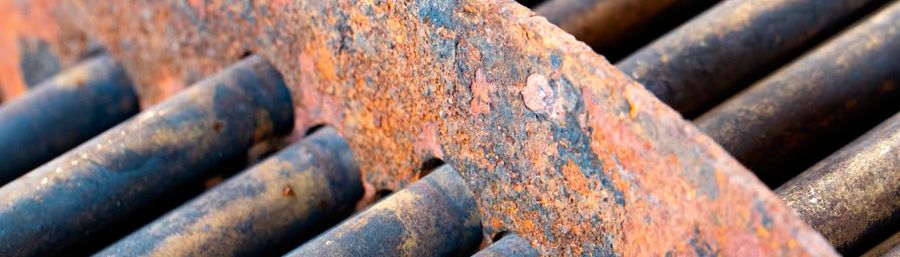
La alta temperatura que se registra dentro de las calderas a vapor (sobre los 800 °C o 1500 °F) puede propiciar la formación de un tipo específico de óxido de hierro duro y quebradizo, conocido como magnetita, en la parte superficial externa o interna de las tuberías de calderas hechas de acero. Bajo condiciones de muy elevada temperatura, el vapor del agua reaccionará con el hierro sobre el acero, lo que formará magnetita e hidrógeno acorde a la siguiente fórmula: 3 Fe + 4 H20 = Fe3O4 + 4 H2
La velocidad de reacción aumenta con la temperatura. Los átomos del oxígeno se dispersarán al interior de la capa de magnetita mientras que los átomos del hierro se dispersarán hacia el exterior. Dadas las condiciones que anteceden, los depósitos de magnetita continuarán formándose, incluso después de completar toda la superficie de la tubería.
La cascarilla de magnetita actúa como un aislante térmico en los tubos, ya que su conductividad térmica es de tan solo el 5 % de la del acero. Si el calor emitido por la flama no puede transferirse eficazmente a través de la tubería para generar el vapor interno, la pared del tubo superará el límite de la temperatura operativa. La exposición prolongada a temperaturas extremadamente elevadas, combinada con la presión muy alta dentro del tubo, genera microfisuras intergranulares en el metal y una deformación progresiva (hinchamiento o abombamiento lento del metal), cuyo posible efecto tiende a la rotura del tubo.
También debe considerarse un factor secundario que es la exfoliación de magnetita. En este caso las partes que presentan cascarilla de óxido/magnetita se rompen debido al estrés térmico generado al encender o apagar la caldera. Estas piezas de consistencia dura seguirán el flujo del vapor en la turbina, donde, con el tiempo, causarán daños por erosión.
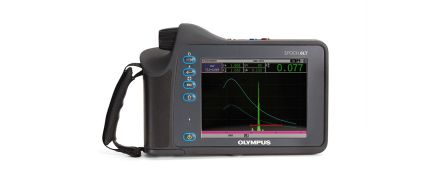
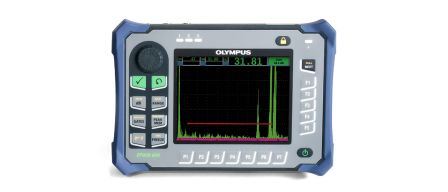
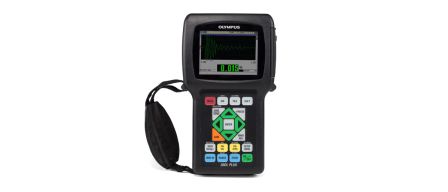
La formación de cascarilla de magnetita y los daños que ocasionan al metal son los factores principales que limitan la vida útil de las tuberías de calderas. El proceso inicia lentamente y, después, se acelera. Es decir, mientras la cascarilla incrementa en espesor, el tubo se recalienta progresivamente, incrementado a su vez el crecimiento de la cascarilla y los daños en el metal. Los estudios llevados a cabo por la industria de generación de energía demuestran que el efecto de la cascarilla de óxido/magnetita es relativamente insignificante en espesores de 0,3 mm o 0,012 pulg. Sin embargo, superado este espesor, los efectos negativos de la cascarilla incrementan rápidamente. La medición periódica de la cascarilla de magnetita permite calcular la vida útil restante de las tuberías e identificar los tubos susceptibles a daños para, así, poder reemplazarlos. Los ensayos por ultrasonido brindan una método rápido y no destructivo para medir cascarilla de magnetita. Equipos portátiles, como el medidor de espesores 38DL PLUS® o los detectores de defectos de la serie EPOCH®, pueden medir capas de óxido internas con un espesor mínimo de hasta 0,2 mm usando de preferencia la sonda M2017, que se dota de una línea de retardo de 20 MHz. La sonda especializada de onda transversal M2091 de 20 MHz puede ser usada con acoplantes para ondas transversales que permiten medir espesores de hasta 0,152 mm aproximadamente. En todos los casos, la superficie de acoplamiento debe ser lisa y, en algunos casos, deberá ser sometida a una preparación según los requisitos de inspección.
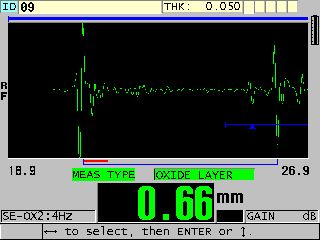 Medición típica de óxido interno realizada con los medidores de espesor y la sonda de línea de retardo M2017 (acercamiento) | 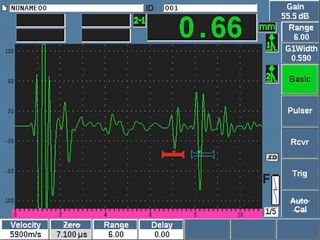 Medición típica de óxido interno con un detector de defectos y la sonda M2017 con línea de retardo que muestra el eco de la línea de retardo al lado izquierdo de la pantalla |
Puede consultar más información acerca de la cascarilla de óxido/magnetita y sus efectos en las tuberías de calderas en el manual Metallurgical Failures in Fossil Fired Boilers de David N. French (John Wiley Sons, 1983).